PLCs & Controllers
Buyer Guide: Selecting PLCs for High-Noise Environments
When choosing an industrial PLC for high-noise environments, evaluate EMI shielding, ingress protection, and I/O isolation. These features protect the controller from
Practical guides on selecting, configuring, and comparing programmable logic controllers for industrial automation needs.
When choosing an industrial PLC for high-noise environments, evaluate EMI shielding, ingress protection, and I/O isolation. These features protect the controller from
A redundant PLC setup uses two or more controllers sharing a load so production continues if one fails. This guide covers hardware selection, network configuration, and
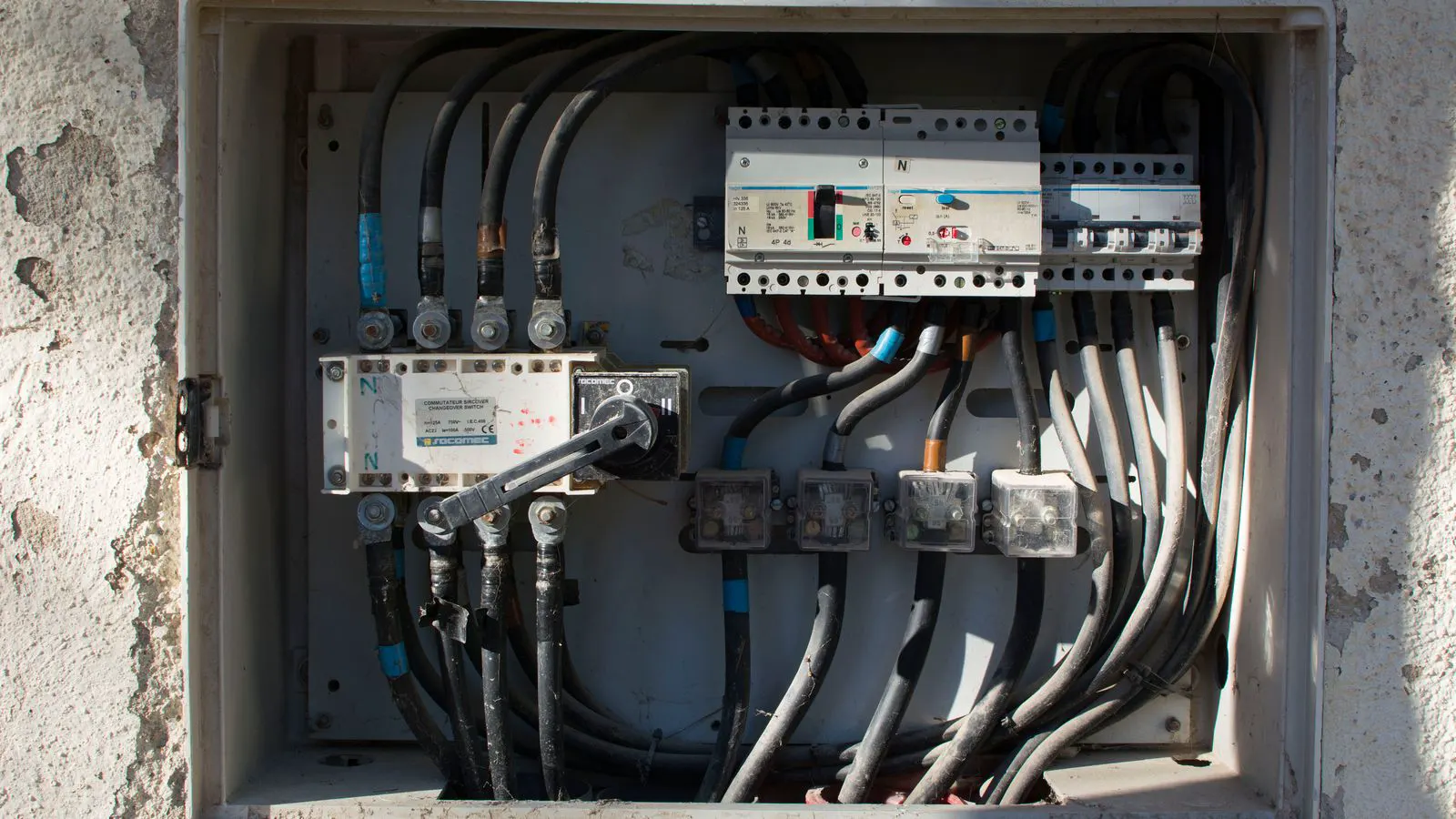
A programmable logic controller is a rugged industrial computer that reads inputs, runs logic, and drives outputs. It automates machines by reacting to sensors and
Choose a compact PLC by verifying I/O capacity, scan time, communication options, and physical mounting. Prioritize vendor documentation and on-site testing to ensure

This guide helps maintenance engineers identify root causes of unexpected delays or missed cycles in existing programmable logic controller systems. It covers common

Determine the correct PLC size for high-speed data logging by calculating I/O density, scan time requirements, and communication load. This guide provides a practical
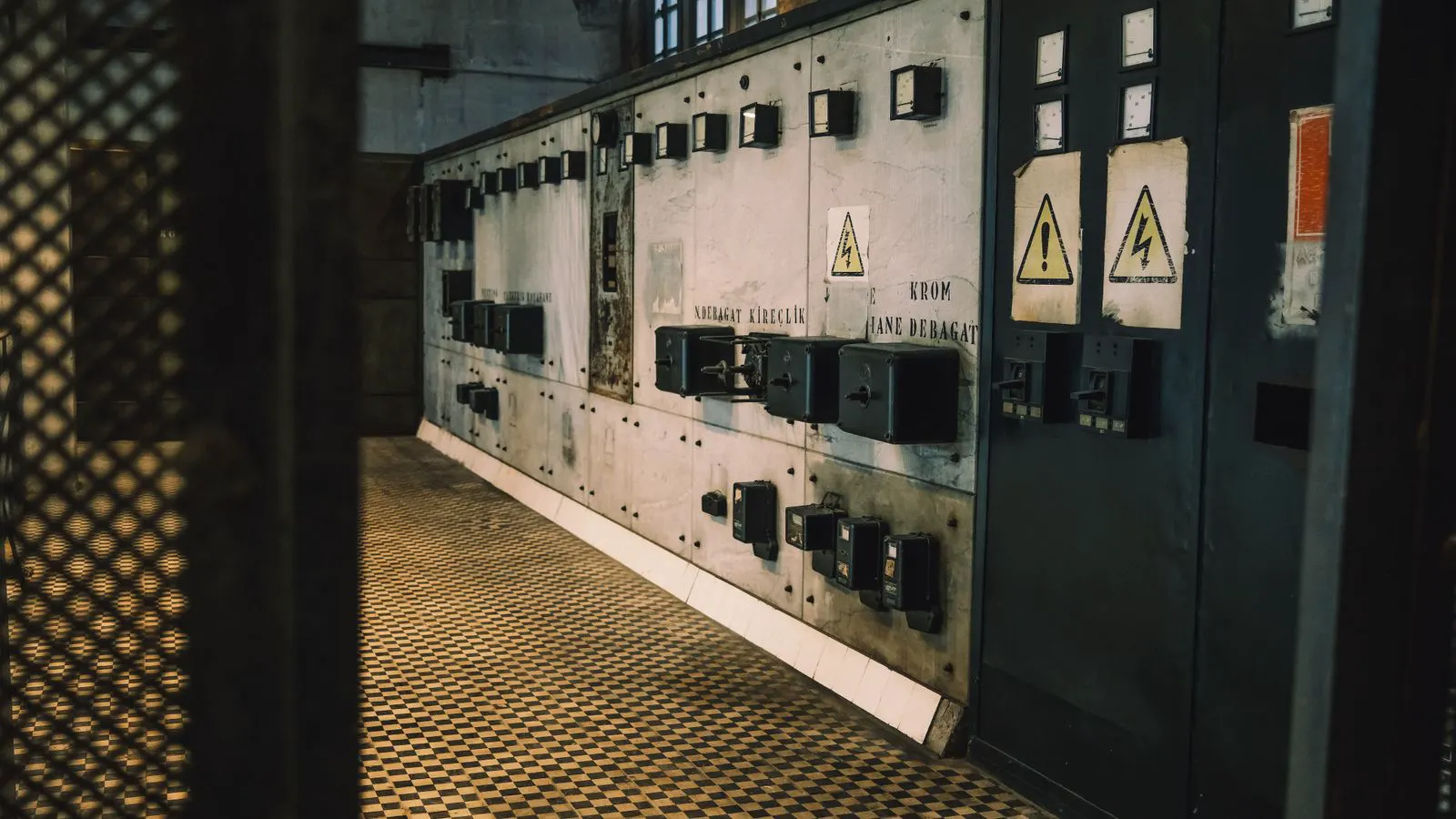
PLC lead time drives factory downtime and budget risk. This guide explains what affects delivery and pricing, how to structure a clear RFQ, and how to compare quotes so
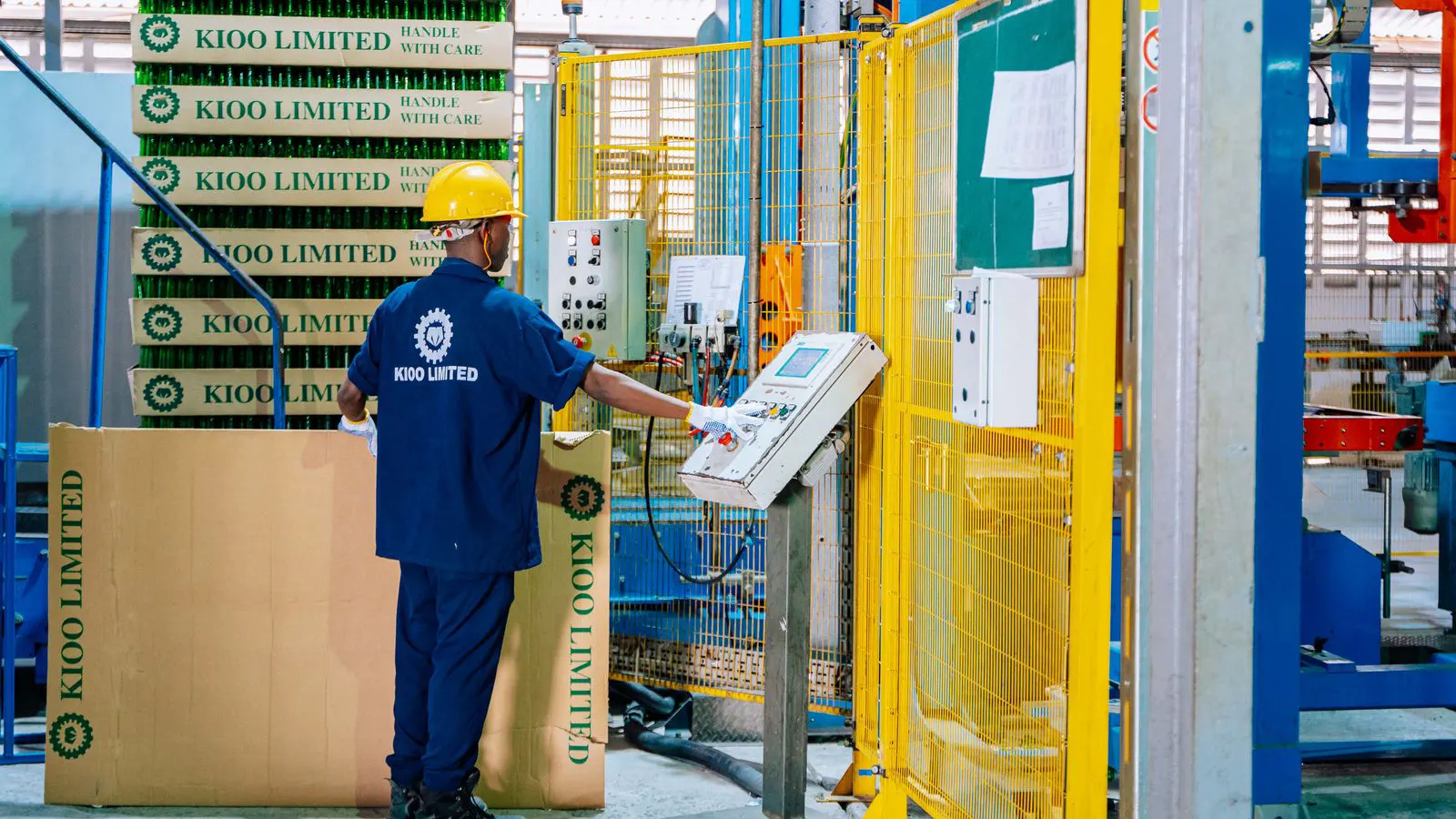
Edge PLCs process data locally alongside traditional control functions, reducing network load and latency. They are becoming the standard for modern factory automation
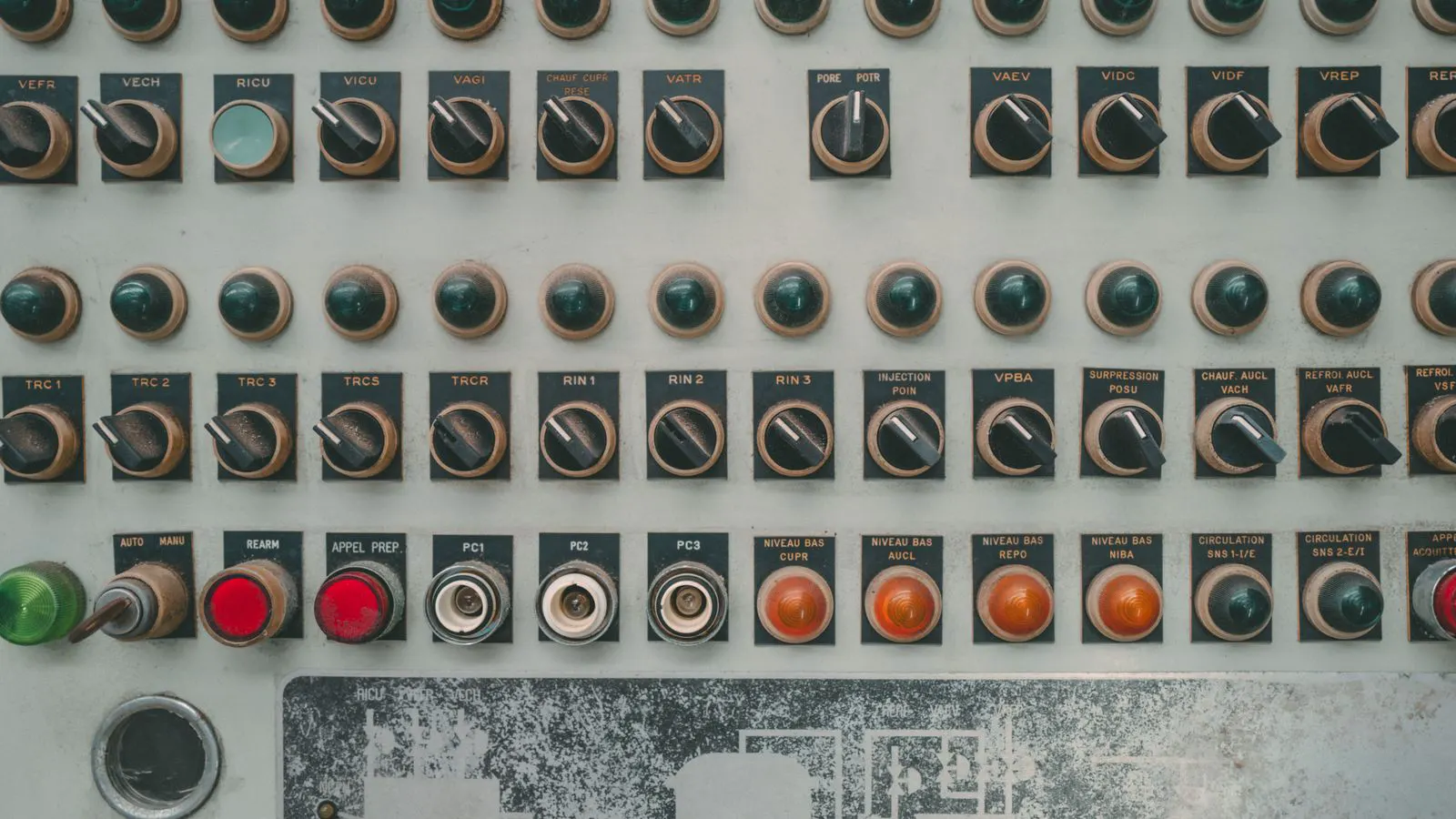
Before ordering a new industrial PLC, run a structured procurement checklist. Validate I/O counts, power redundancy, communication protocols, and vendor support terms.
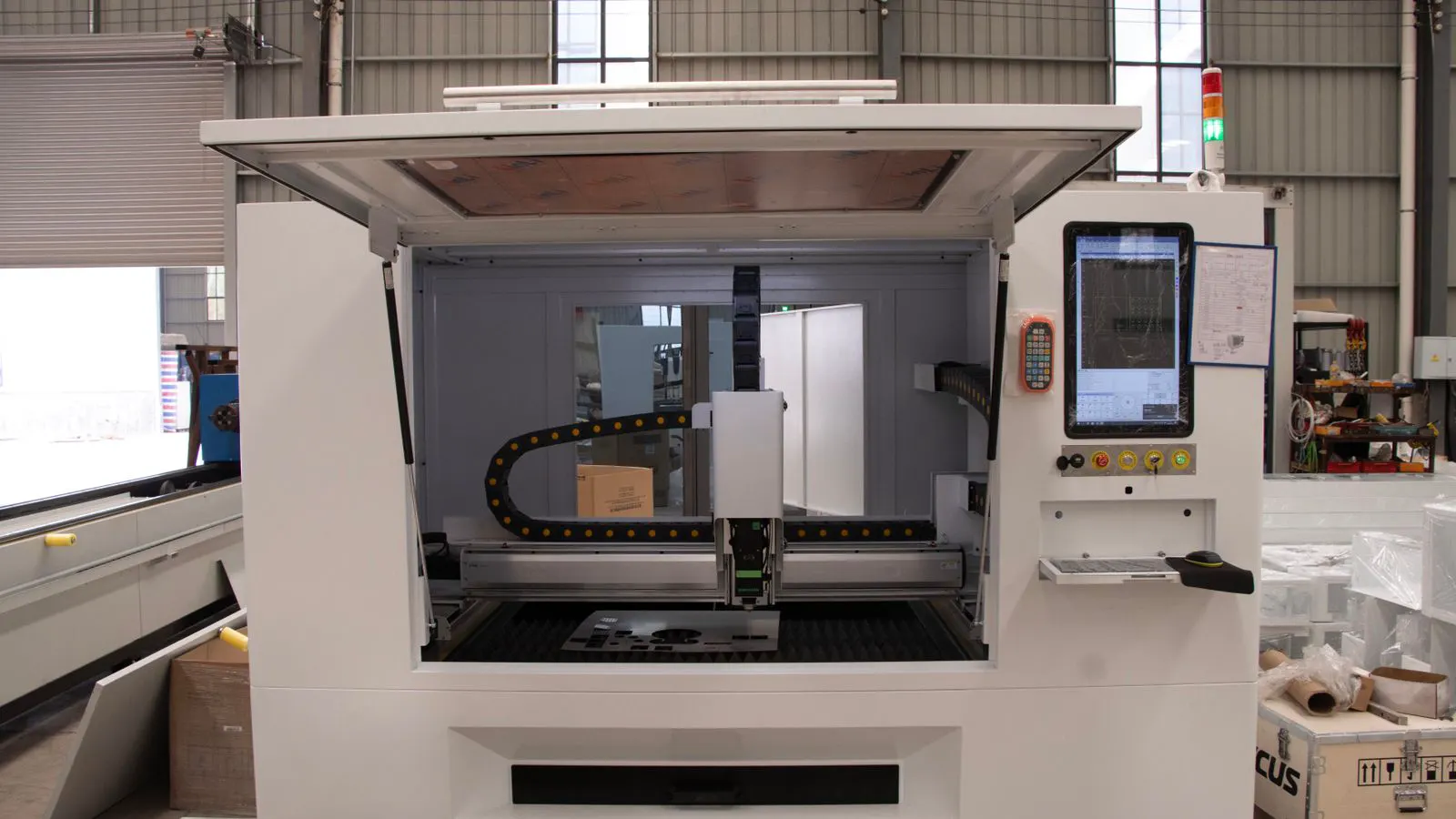
Choose a PLC for deterministic cycles and high-speed I/O. Pick an IPC when your line needs complex software, vision systems, or heavy data processing. The decision