Future-Proofing Factory Automation: The Rise of Edge PLCs
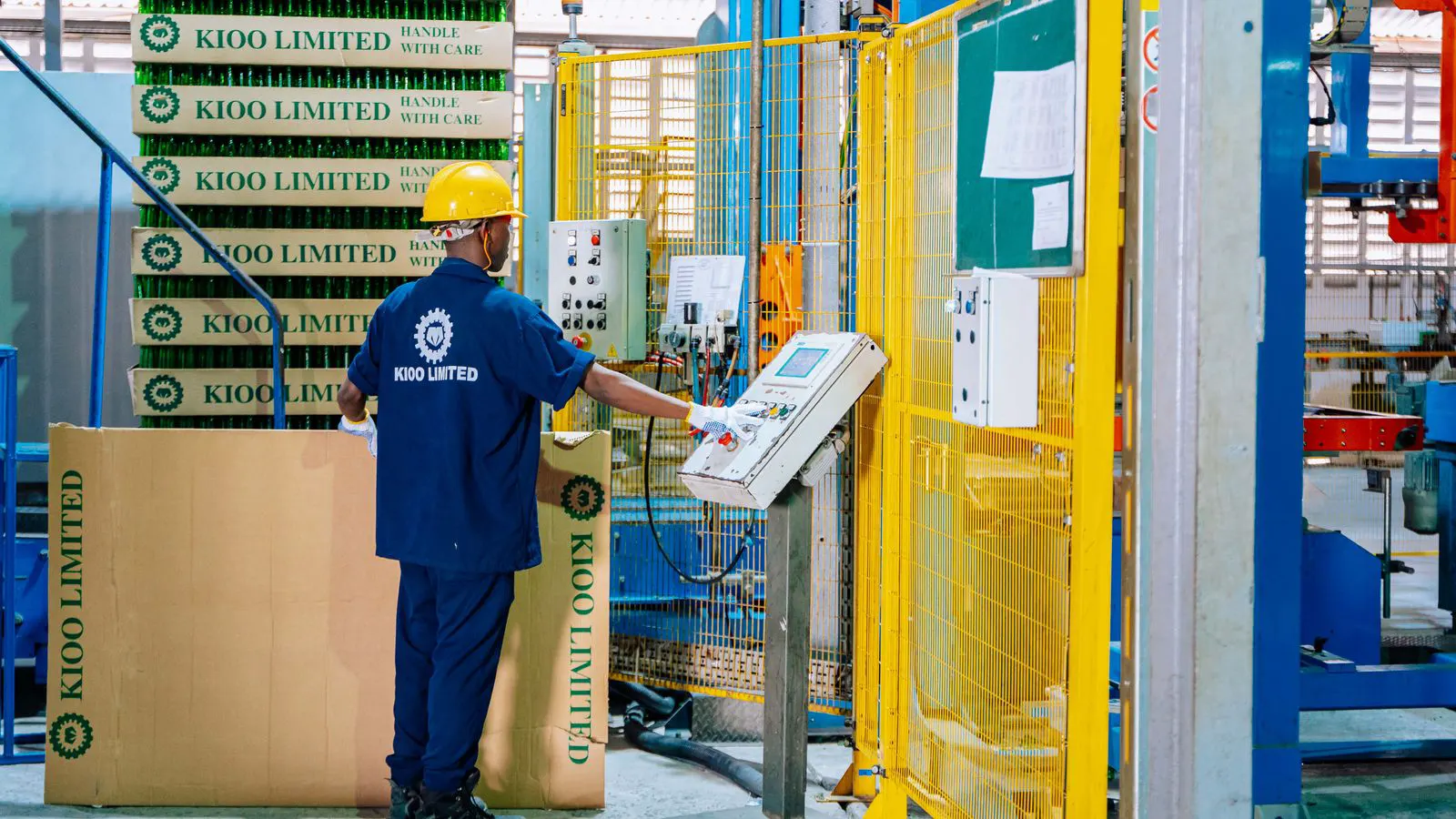
Edge PLCs process data locally alongside traditional control functions, reducing network load and latency. They are becoming the standard for modern factory automation as manufacturers seek faster decision-making and easier integration with higher-level systems.
- Edge PLCs handle control loops and local data processing in a single device, reducing reliance on separate servers.
- Buyers should verify network security protocols before selecting any new controller architecture for production lines.
- The shift toward edge computing requires rethinking maintenance workflows and skill requirements for field engineers.
- Vendor-neutral evaluation should focus on communication standards, memory capacity, and integration options rather than single specifications.
- Planning for edge PLC adoption means preparing documentation and training for hybrid control environments.
Why the Controller Is Moving to the Edge
The industrial PLC has long sat at the heart of production lines, managing I/O, executing control logic, and responding to sensor inputs. For decades, this architecture worked because the network could carry every bit of data from the machine to the central server. That assumption no longer holds.
Modern lines generate far more data than older systems. Vision inspection, predictive maintenance algorithms, and real-time quality tracking all demand fast access to raw signals. Sending every packet to a central data center adds delay and consumes bandwidth. The controller itself is now expected to act as a processing node, not just a logic engine.
This shift is not about replacing the traditional PLC. It is about adding capability where the data is generated. Edge PLCs combine deterministic control with local data handling. They run safety-critical logic while also aggregating, filtering, and analyzing data before it leaves the machine boundary.
How Edge Computing Changes Controller Architecture
Traditional controller architecture follows a strict hierarchy. The PLC manages the process. The HMI displays status. The historian stores data. Each layer has a specific job, and communication between them is often one-way.
Edge architecture blurs these boundaries. A single device may execute a PID loop, run a lightweight machine learning model for motor vibration analysis, and push summarized data to a cloud platform. The controller becomes a node in a distributed system.
This change affects every part of the system design. Electrical cabinets must handle more processing heat. Network topologies must support higher data volumes without creating bottlenecks. The distinction between control and IT becomes less distinct, which changes how engineers approach maintenance and troubleshooting.
Five Shifts Buyers Should Plan For
1. From Standalone Logic to Networked Intelligence
Older PLCs operated as isolated islands. They performed their function and reported status. Newer edge PLCs expect to talk to other devices constantly. They may receive instructions from a central orchestration system while also pushing telemetry to a local gateway.
Buyers must plan for this interactivity. A controller that cannot communicate with other edge nodes limits the value of the investment. The question is no longer whether the PLC can control a motor. The question is whether it can share its state with the wider production network.
2. From Fixed Cycles to Adaptive Processing
Deterministic control requires fixed scan times. Edge functions, such as data compression or anomaly detection, often require variable processing time. This creates a tension within the controller.
Modern hardware separates these tasks. One core handles the hard real-time control loop. Another core handles the softer, non-deterministic edge functions. This separation protects the control process from being interrupted by heavy data workloads. When evaluating a system, confirm that the control cycle remains isolated from network and data processing tasks.
3. From Local Storage to Cloud Connectivity
Historically, PLCs stored small amounts of data in non-volatile memory for troubleshooting. Edge PLCs act as gateways to cloud platforms. They filter data, apply metadata, and transmit only relevant packets.
This changes the security perimeter. The controller is no longer just a local device. It is an endpoint in an internet-connected environment. Buyers must understand that connecting a controller to the cloud extends the attack surface. Network segmentation and authentication protocols must be part of the design from the start.
4. From Proprietary Silos to Open Standards
Legacy systems often relied on vendor-specific communication protocols. Edge environments favor open standards because they allow devices from different manufacturers to coexist.
Look for controllers that support common industrial communication protocols. The ability to connect a third-party sensor or a different brand of HMI without custom drivers reduces integration risk. Open protocols also make future upgrades easier. If a specific manufacturer is no longer supported, the system can still function if the communication layer is standard.
5. From IT/OT Separation to Convergence
Information technology and operational technology have historically been kept apart. IT handles office and data center traffic. OT handles production equipment. This separation was a security necessity.
Edge computing forces convergence. The same network that carries the PLC data may also carry IT traffic for user authentication or software updates. This does not mean the systems are identical. It means the boundary between them is thinner.
Engineers must now understand both domains. A controller fault might be caused by a network configuration change made by an IT team. Conversely, a network congestion issue might cause a control loop to miss its deadline. Training programs must reflect this overlap.
How to Prepare for the Transition
Assess Current Network Capacity
Before adding edge functions to a line, measure the existing network load. Identify bandwidth bottlenecks. Check for single points of failure.
If the current network was designed for simple status reporting, it may not handle the data volume of an edge environment. Consider adding dedicated switches or upgrading the network backbone. The goal is to keep control traffic separate from data traffic where possible.
Review Security Protocols
Industrial networks have historically relied on physical isolation. Modern edge systems require active security measures.
Implement authentication for all devices. Use encryption for data in transit. Define clear access levels for different users. A controller should not have the same permissions as a general office computer.
Update Maintenance Procedures
Maintenance workflows must change. Engineers who previously only checked wiring and logic must now monitor network health and software updates.
Create documentation that covers both the control logic and the data pipeline. When troubleshooting, the engineer must be able to trace an issue from the sensor to the cloud. This requires new tools and new skills.
Plan for Skill Gaps
The average industrial engineer may not have experience with cloud platforms or network security. Training is required before deployment.
Start with a pilot project. Use a non-critical line to test the new architecture. Identify gaps in knowledge and address them before scaling to the whole plant.
Edge PLCs vs Traditional PLCs
The choice between a traditional PLC and an edge PLC depends on the application. Not every line needs local data processing.
| Feature | Traditional PLC | Edge PLC |
|---|---|---|
| Primary Function | Deterministic control logic | Control plus data processing |
| Network Load | Low | Higher, supports local analytics |
| Storage | Limited local memory | Larger storage for buffering |
| Security | Physical isolation | Active network security required |
| Integration | Vendor-specific often | Open standards preferred |
| Maintenance | Hardware and logic focus | Hardware, logic, and network focus |
A traditional PLC is sufficient for simple machine control. An edge PLC is better suited for lines that require real-time data analysis or integration with higher-level systems.
What to Expect in the Coming Years
The next few years will see edge PLCs become the default for new production lines. The technology is maturing. Hardware costs are dropping. Software support is improving.
Expect more standardization. Vendors will compete on integration capabilities rather than raw processing power. The market will move toward modular designs that allow users to add functionality as needed.
Buyers should focus on longevity. Choose controllers that support multiple communication protocols and have long-term software support. Avoid systems that lock you into a single vendor ecosystem.
The shift is not happening overnight. It is a gradual migration. Plants will upgrade one line at a time. The goal is to build a flexible, data-rich environment that can adapt to new technologies without a full rewrite.
Common Mistakes to Avoid
Ignoring Network Bandwidth
Adding edge functions without checking network capacity is a common error. The result is lag and dropped data.
Overlooking Security
Connecting a controller to the internet without proper security is risky. Always implement segmentation and authentication.
Treating the PLC as a Black Box
The controller is now a complex system. Engineers must understand the data flow, not just the control logic.
Underestimating Training Needs
New skills are required. Plan for training before deployment to avoid delays and errors.
Final Thoughts
Edge PLCs are changing the role of the controller in factory automation. They are no longer just logic engines. They are processing nodes that connect the physical world to the digital one.
The transition requires planning. Network upgrades, security measures, and training are all necessary. But the benefits are clear. Faster decision-making, better data utilization, and a more flexible production environment.
Buyers who understand these shifts will be better positioned for the future. The key is to move from a reactive stance to a proactive one. Plan for convergence. Prepare for data. Build for flexibility.
Frequently asked questions
What is the main difference between an edge PLC and a traditional PLC?
An edge PLC processes data locally alongside control logic, while a traditional PLC focuses primarily on deterministic control functions.
Do I need to replace all my existing PLCs with edge PLCs?
No. The transition is gradual. You can start with new lines or critical upgrades and keep older PLCs for simple applications.
How does edge computing affect network security in a factory?
It expands the attack surface because controllers are connected to wider networks. Strong security protocols and segmentation are required.
Can edge PLCs work with older PLCs on the same line?
Yes, but integration requires compatible communication protocols. Ensure open standards are supported to avoid vendor lock-in.
What are the main risks of adopting edge PLCs?
The main risks are network bandwidth issues, security vulnerabilities, and a lack of engineering skills for new IT/OT environments.