
Machine Vision
Future of Machine Vision in Quality Inspection
Machine vision in quality inspection is moving toward hybrid inspection, on-premise AI, and faster calibration. Buyers should prepare for shorter system lead times, edge
Guides on machine vision systems for quality inspection, sorting, and positioning in automated production environments.
Machine vision in quality inspection is moving toward hybrid inspection, on-premise AI, and faster calibration. Buyers should prepare for shorter system lead times, edge
Calibrating a machine vision system on high-speed lines involves aligning lenses, adjusting exposure, and verifying pixel alignment. Consistent checks prevent drift.

Selecting vision cameras requires matching sensor resolution and frame rate to line speed and part geometry. Buyers must verify lens compatibility, illumination
Reflective lighting suits polished surfaces where specular detail matters, while diffuse lighting handles matte materials and complex shapes. Choose based on part
Machine vision lead times vary based on hardware customization, software licensing, and integration complexity. Buyers should plan for extended delivery windows when
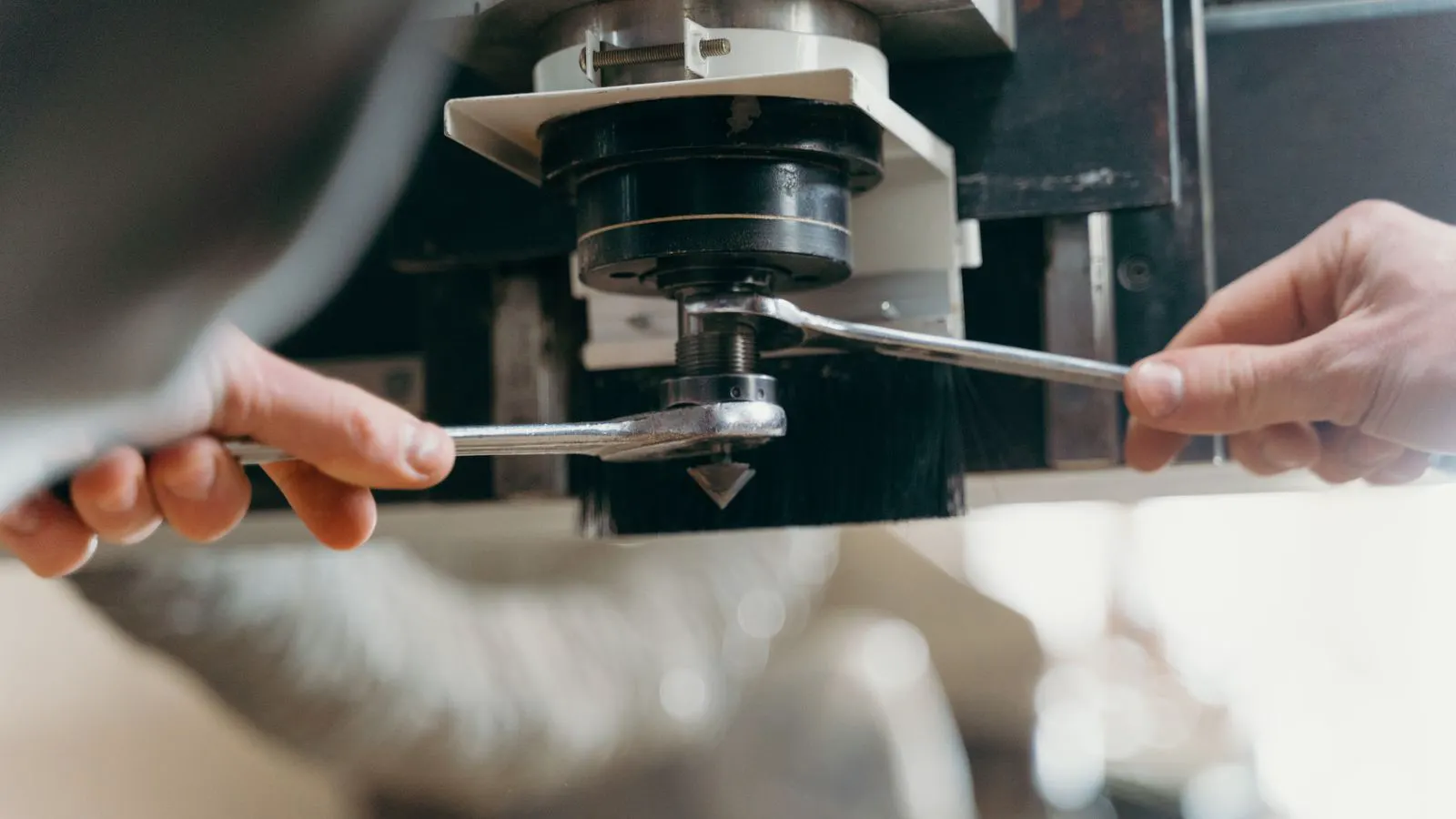
To calibrate a machine vision system, you stabilize the setup, apply a known reference pattern, adjust the camera and lens, and verify the results against tolerance

Choosing vision software for batch traceability means matching the platform to your data flow, audit needs, and line speed. Evaluate capture accuracy, integration depth
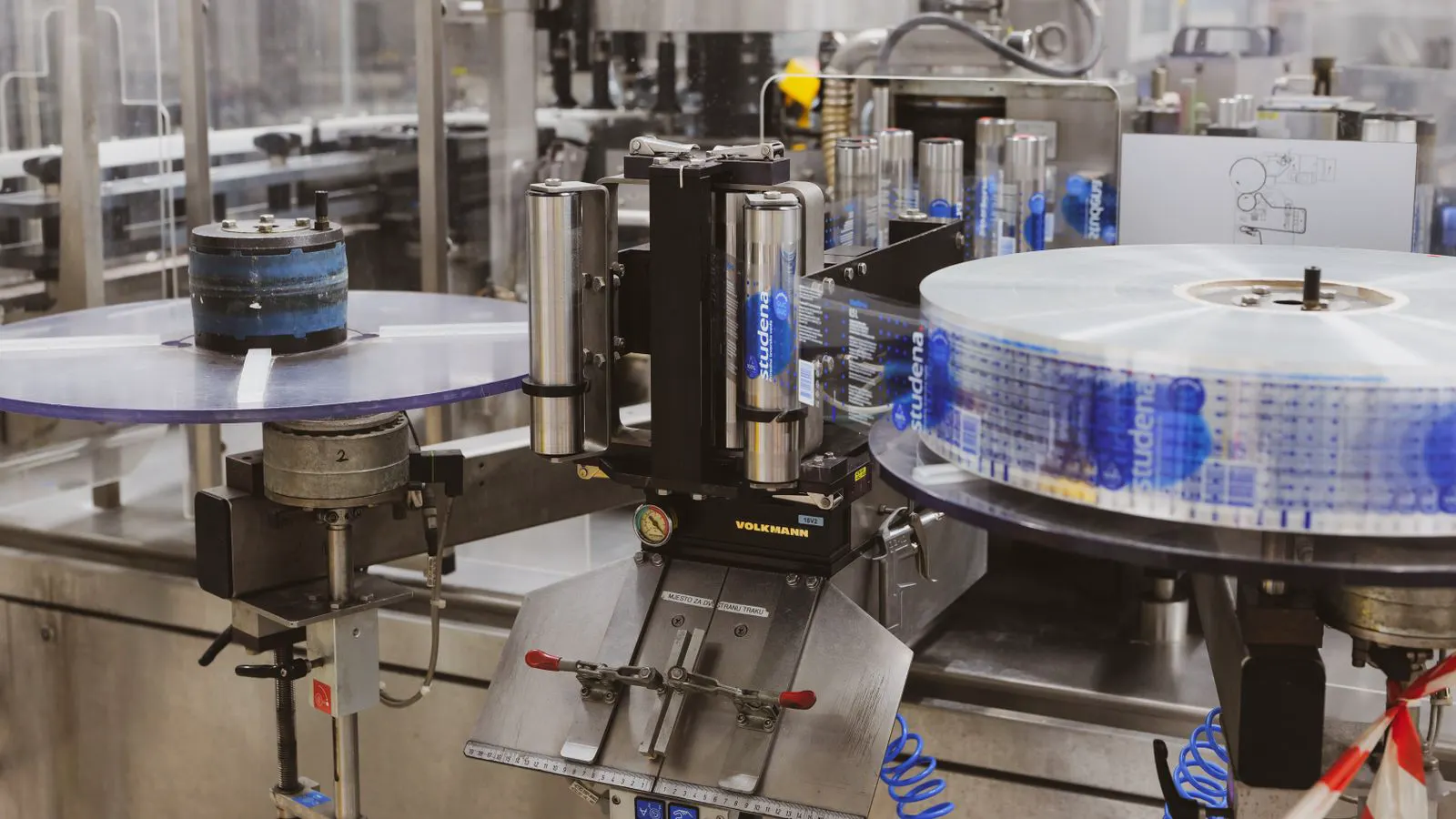
A structured pre-deployment review for new vision systems. Verify lighting stability, mounting rigidity, network latency, and data flow. This checklist identifies
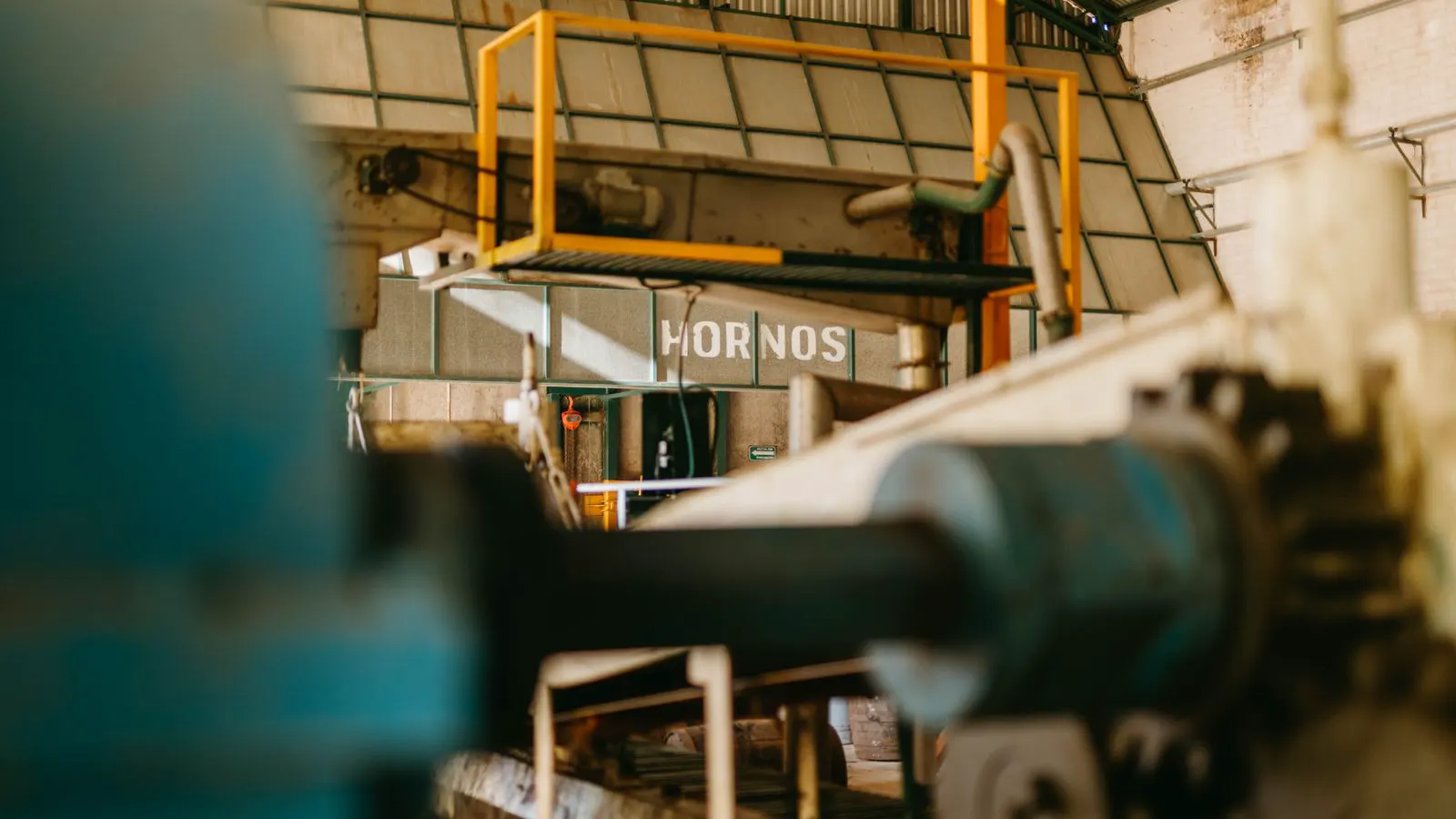
Blurry images usually stem from misalignment, poor lighting, or incorrect exposure settings. Check the lens, verify the depth of field, and ensure stable lighting. These
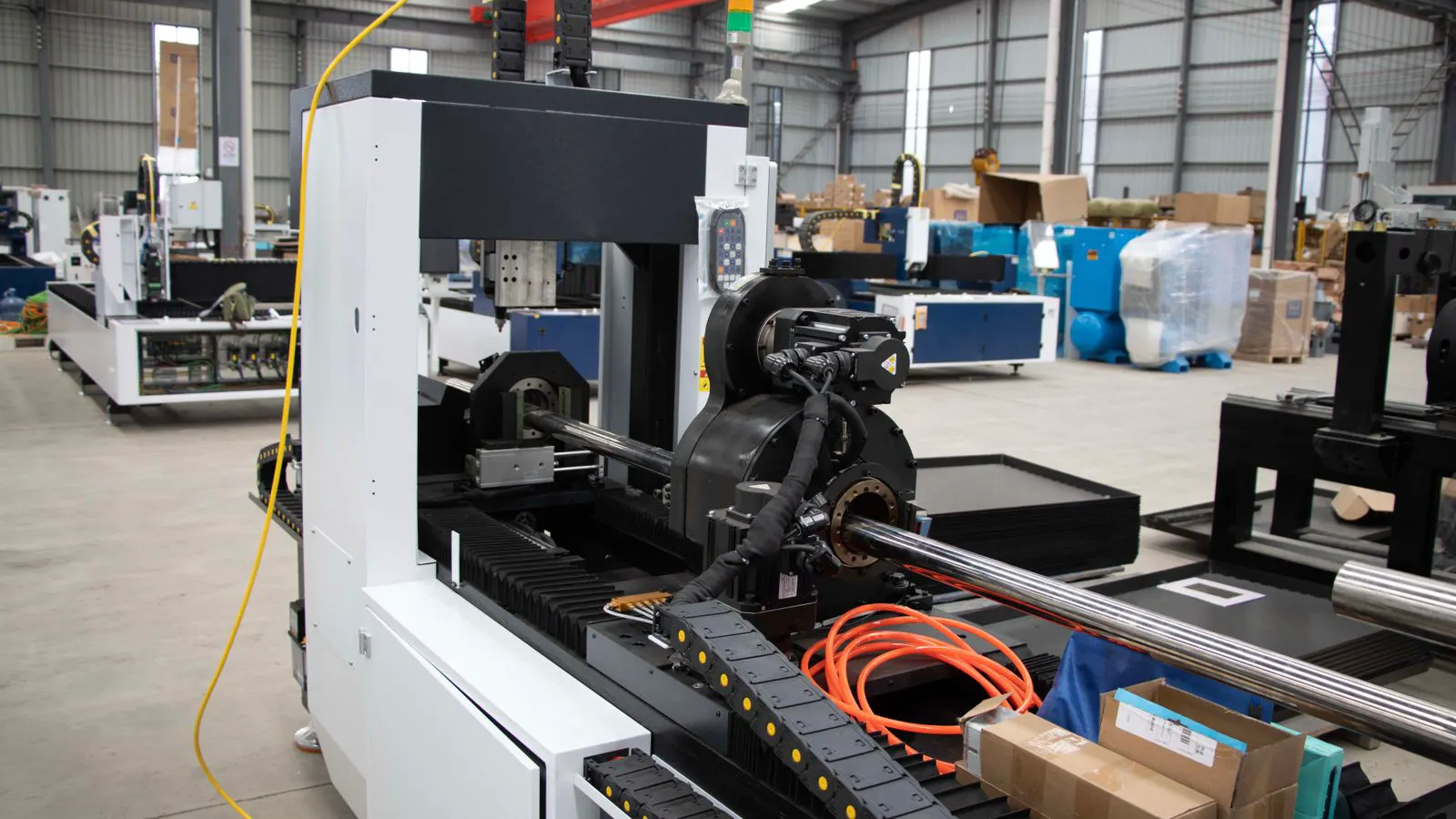
2D vision checks surface features using flat images, while 3D vision measures depth and shape. Choose 2D for speed and cost efficiency on flat parts. Select 3D when

High-speed sorting requires vision systems that capture clear images at high speeds. These systems identify defects and sort materials quickly. Buyers should plan for
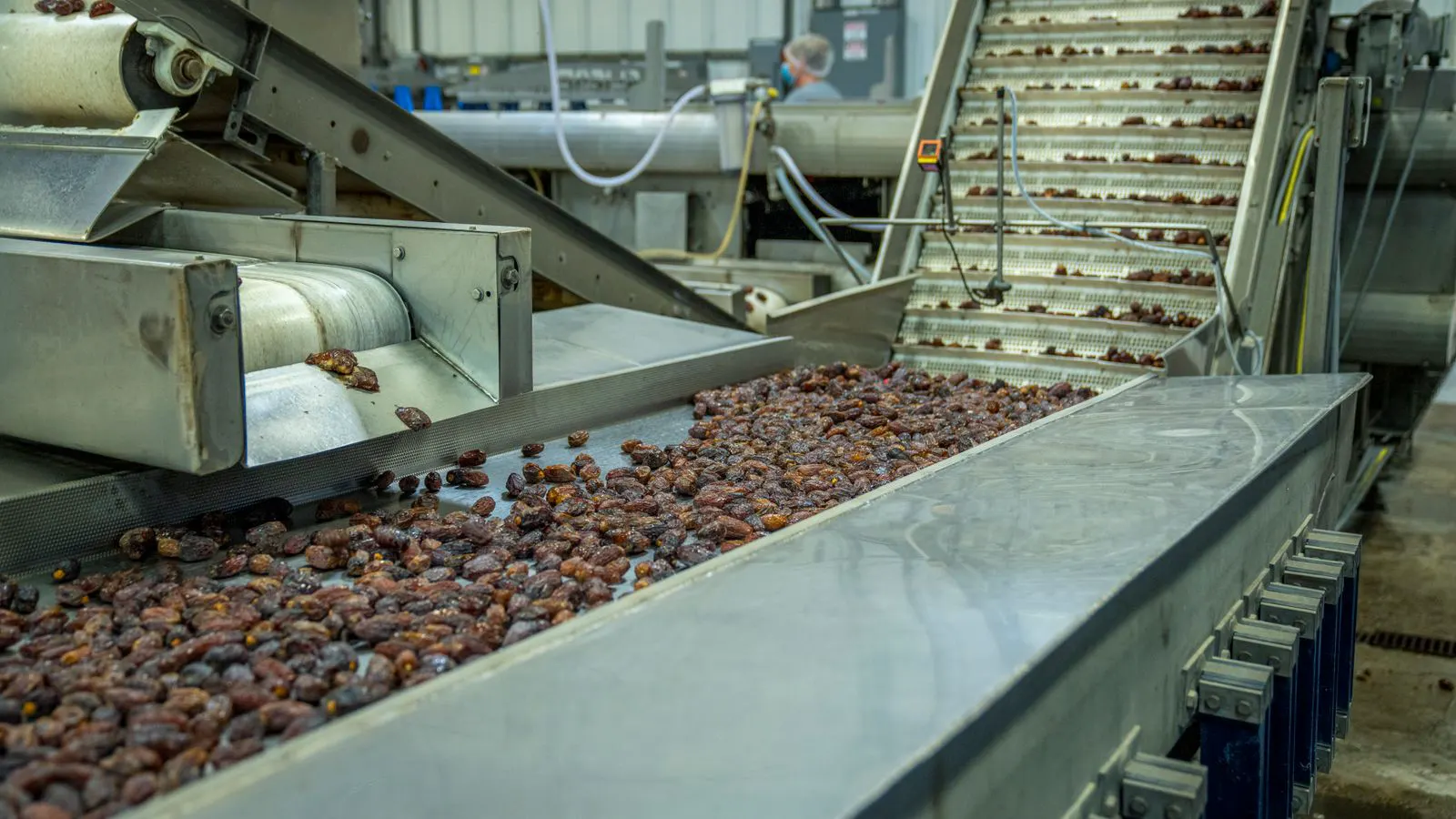
Machine vision systems convert light into digital signals using specialized cameras, lenses, and illumination. These components work together to inspect, measure, and