
Choosing an Integrator
Future of Factory Automation Integrators in 2026
Top-tier automation integrators in 2026 will focus on digital twins, edge computing, and cybersecurity. Buyers should plan for hybrid teams, API-first design, and
Clear, practical automation content for buyers and engineers.
Buying automation equipment requires checking specifications, supplier reliability, and integration costs. This site covers those decisions with plain language and specific technical detail.
It covers PLCs and controllers, HMI and SCADA systems, motor drives, machine vision, industrial networks, and the cost of automation. The goal is to help you compare options and evaluate integrator proposals.
Start with the stage of the sourcing process you are in.
Practical guides on selecting, configuring, and comparing programmable logic controllers for industrial automation needs.
Practical information on industrial Ethernet, fieldbus, and network design for reliable factory automation communications.
Checklists and criteria for evaluating and selecting system integrators for factory automation projects and partnerships.
Top-tier automation integrators in 2026 will focus on digital twins, edge computing, and cybersecurity. Buyers should plan for hybrid teams, API-first design, and
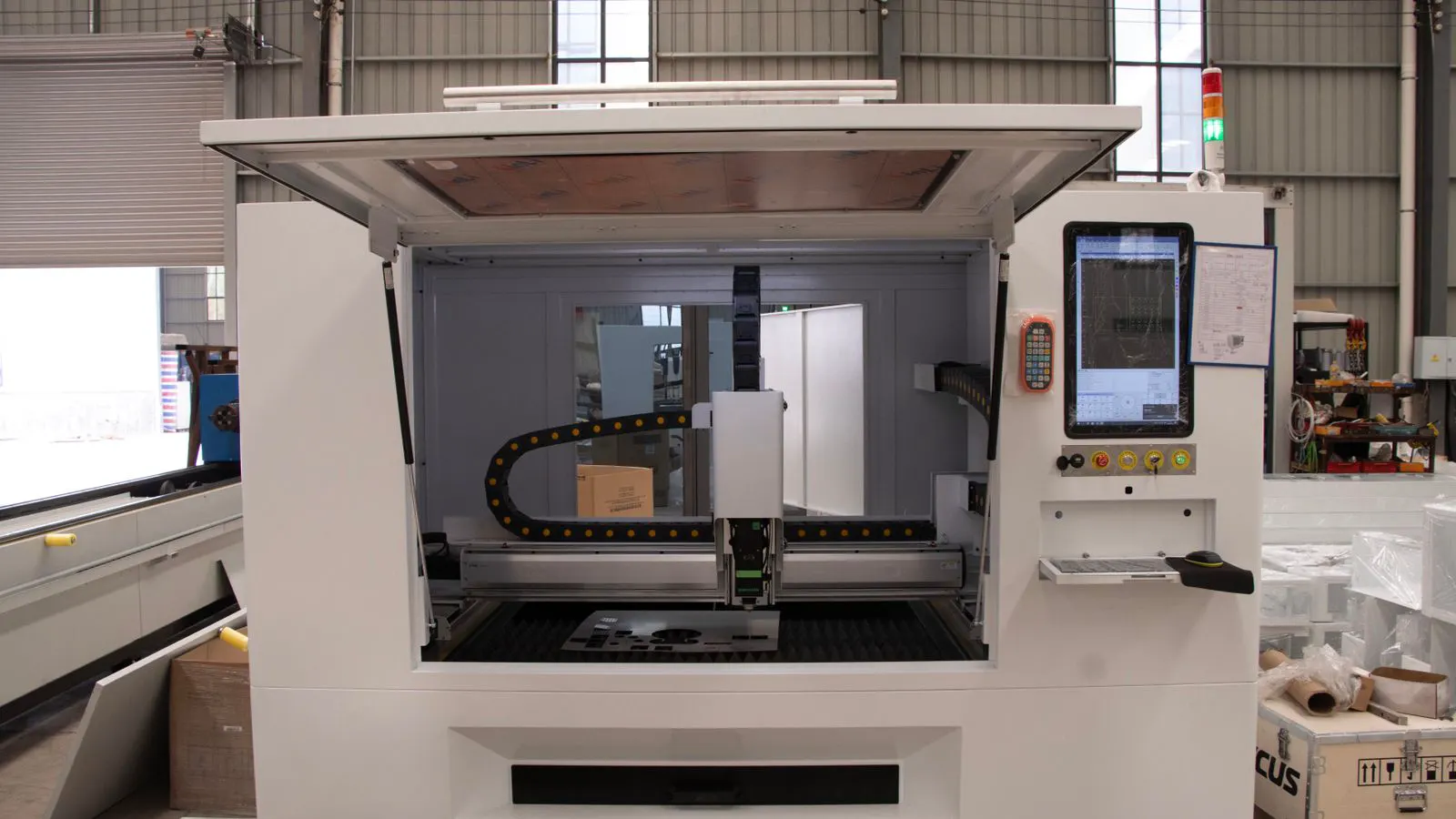
Choose a PLC for deterministic cycles and high-speed I/O. Pick an IPC when your line needs complex software, vision systems, or heavy data processing. The decision
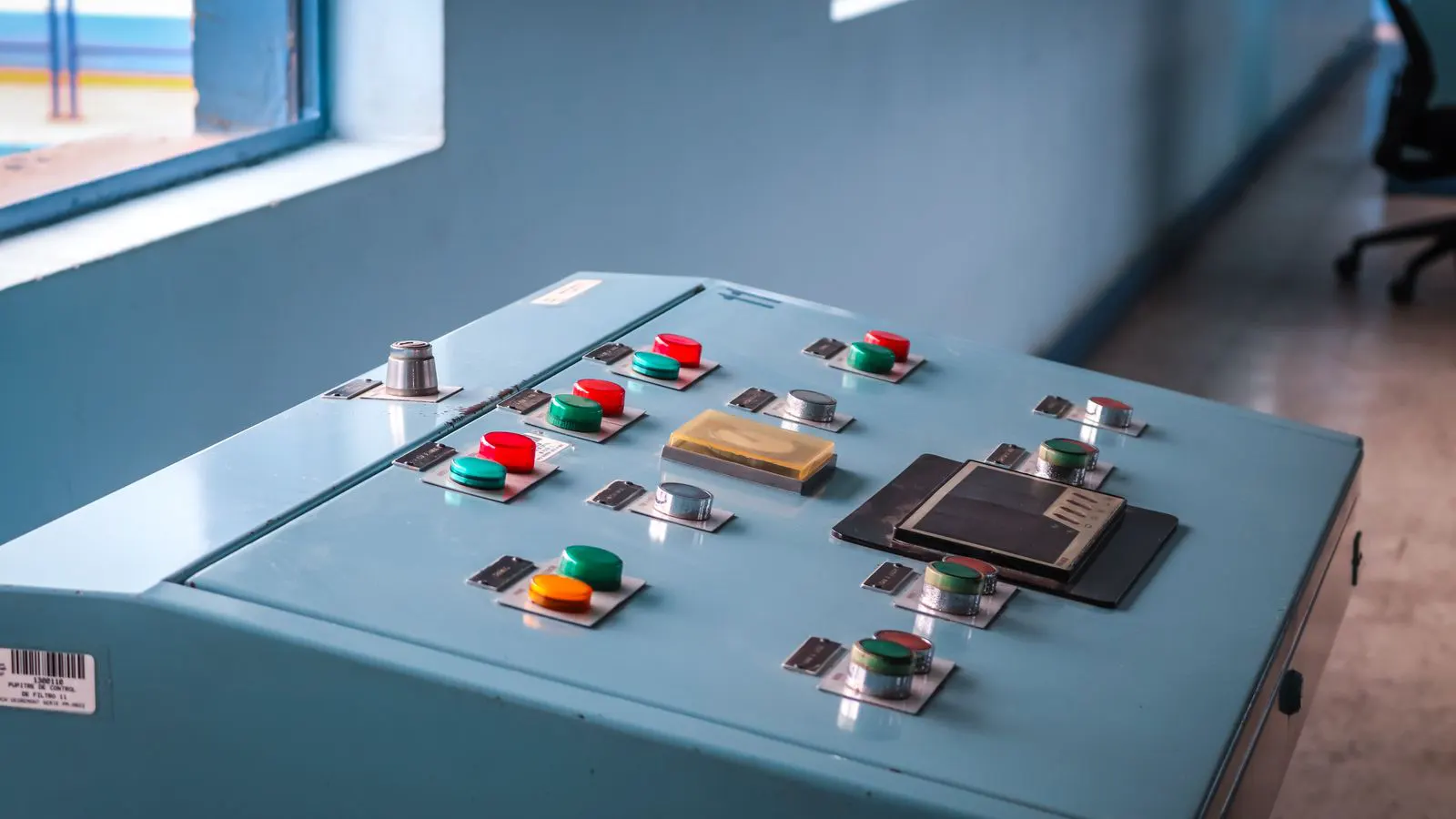
Choose between industrial Ethernet and fieldbus based on line speed, I/O count, and integration needs. Ethernet suits dense I/O and higher bandwidth, while fieldbus
PLCs are modular logic controllers for discrete tasks. Industrial controllers often handle complex process control and data logging.
A VFD is a type of drive that controls motor speed. You select based on motor type, load profile, and required control precision.
Network segmentation, latency, and protocol compatibility are primary concerns. Proper network design prevents control and IT conflicts.
Check their project history, technical staff, and testing protocols. Review their approach to system commissioning and after-sales support.
Costs include hardware, software licenses, installation, and commissioning. Long-term maintenance and downtime costs also matter.
Vision systems detect defects and verify part placement. They reduce manual inspection time and improve quality consistency.