Vision Systems for High-Speed Sorting Lines
High-speed sorting requires vision systems that capture clear images at high speeds. These systems identify defects and sort materials quickly. Buyers should plan for lighting, camera selection, and data integration shifts. Preparation involves testing with real product samples and mapping the line flow.
- Select cameras and lenses that match the line speed and product size.
- Plan for stable lighting to prevent shadows and motion blur.
- Prepare data pipelines for real-time inspection and sorting decisions.
Why Speed Changes Everything in Sorting
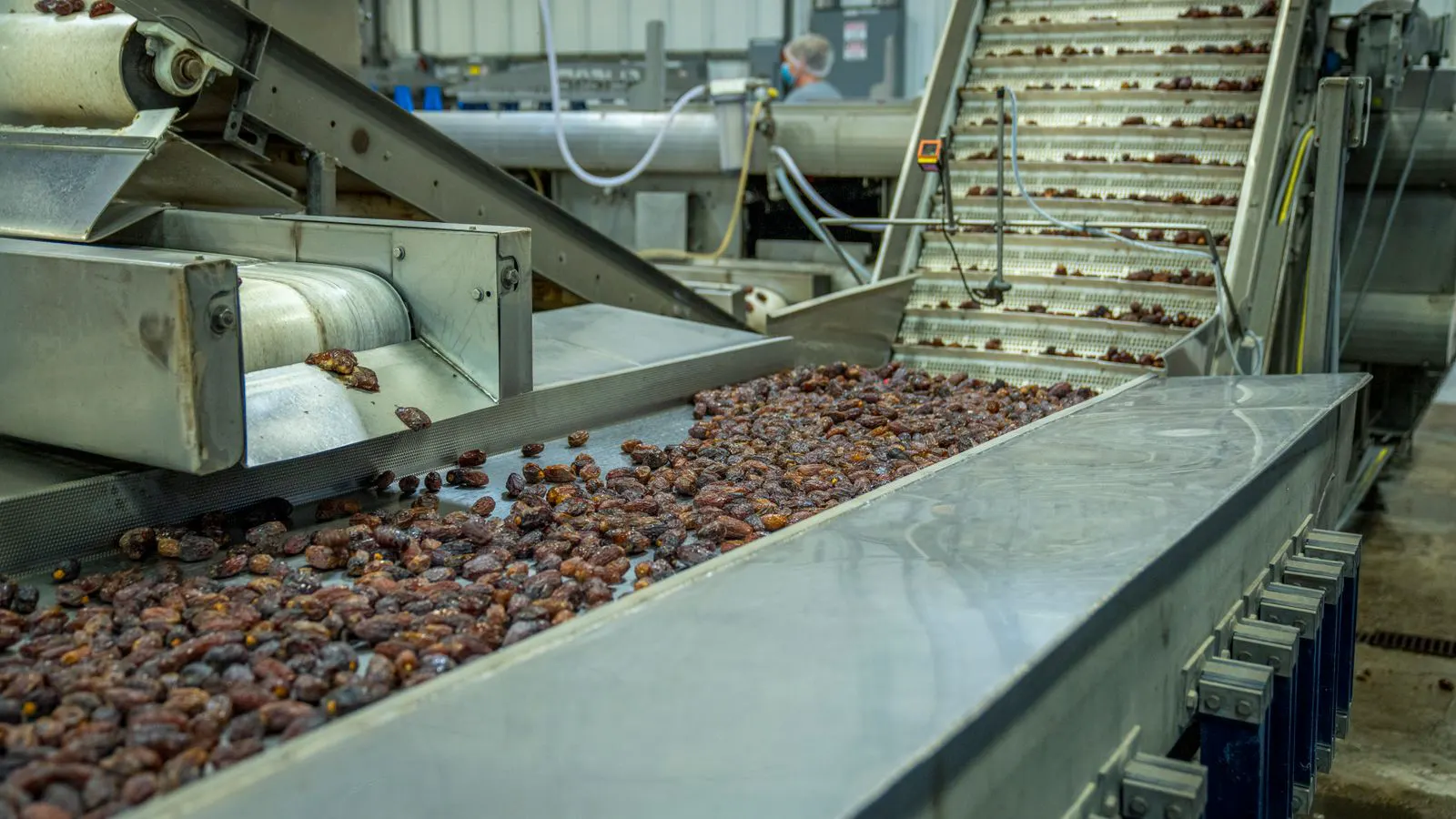
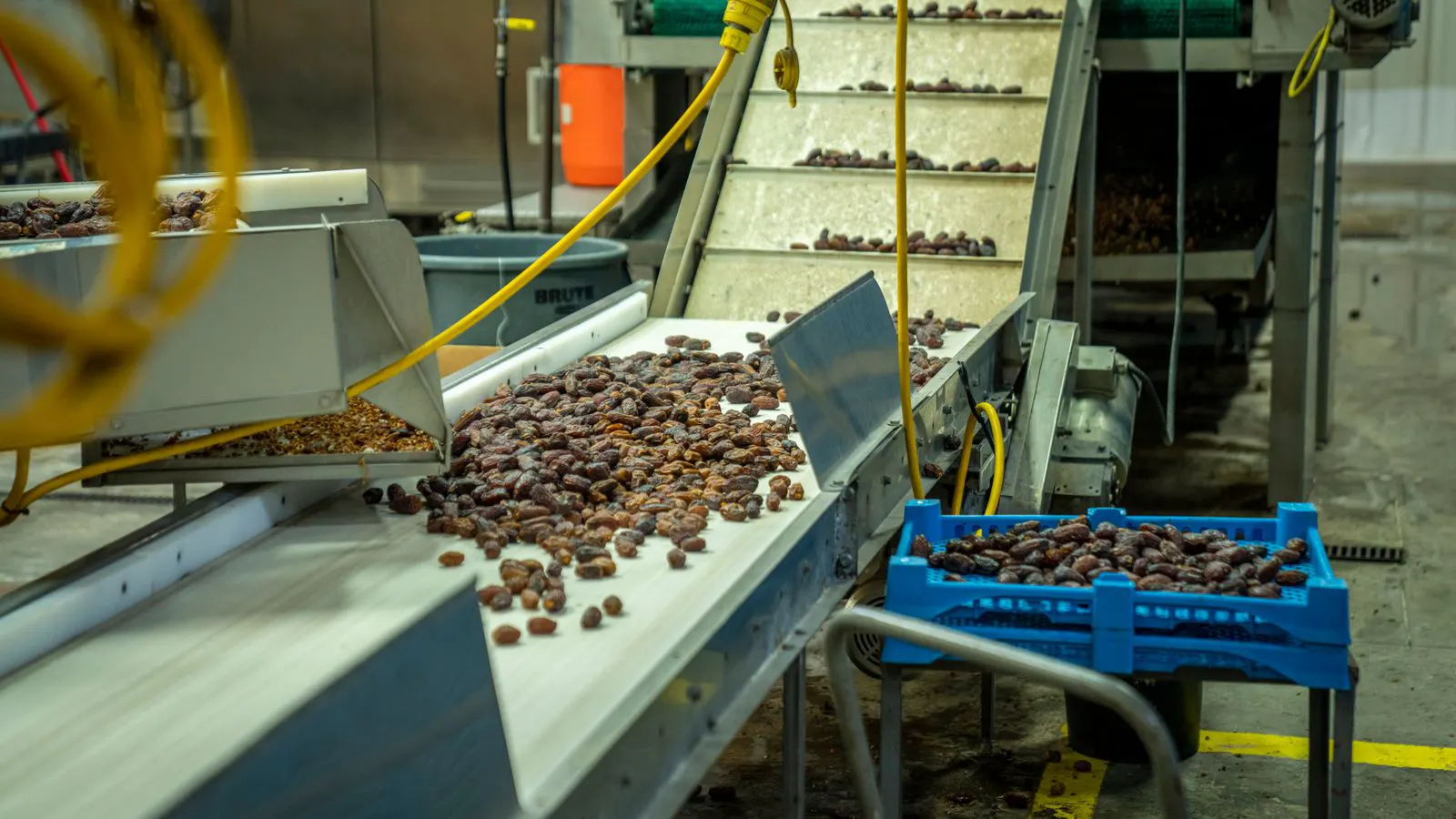
High-speed sorting lines move products through the facility at a pace that ordinary inspection methods cannot handle. The camera must capture a clear image before the next item arrives. The software must decide if the item is good or bad in a fraction of a second. The actuator must move the item out of the main stream before it reaches the next station.
This chain of events requires tight integration. Vision systems for high-speed sorting are not just about seeing the product. They are about seeing it fast enough to act on the data. The delay between image capture and sorting decision must be small enough to prevent errors. Even a slight lag can push an item into the wrong bin or miss a defect entirely.
Buyers often underestimate the impact of speed. The same camera that works well on a slow assembly line may fail on a high-speed sorter. The lighting setup that works in a controlled lab may not hold up under the vibration and motion of a live line. Understanding these differences is the first step in planning a successful deployment.
The Core Components of a High-Speed Vision System
A high-speed vision system is a collection of parts that must work together in sync. The camera captures the image. The lens focuses the image on the sensor. The lighting illuminates the product. The controller processes the image and makes a decision. The sorter moves the product based on that decision.
Cameras and Frame Rates
The camera determines how much detail the system can capture. For high-speed lines, frame rate is a critical factor. A frame rate of 30 frames per second may be enough for a slow line. A high-speed sorter may need hundreds or even thousands of frames per second. The sensor must be small enough to capture the product clearly at that speed.
Lenses and Field of View
The lens controls the field of view. A wide-angle lens captures more of the product but may reduce detail. A narrow lens captures less but provides higher resolution. The choice depends on the size of the product and the speed of the line. A small product on a fast line may require a telephoto lens to capture enough detail in a short exposure time.
Lighting
Lighting is often the most misunderstood component. Poor lighting causes shadows, glare, and motion blur. High-speed lines need lighting that is consistent and fast. Strobe lights can freeze motion in the image. Ring lights can highlight surface defects. Backlighting can reveal shape and size. The lighting setup must match the type of defect being inspected and the speed of the line.
Controllers and Software
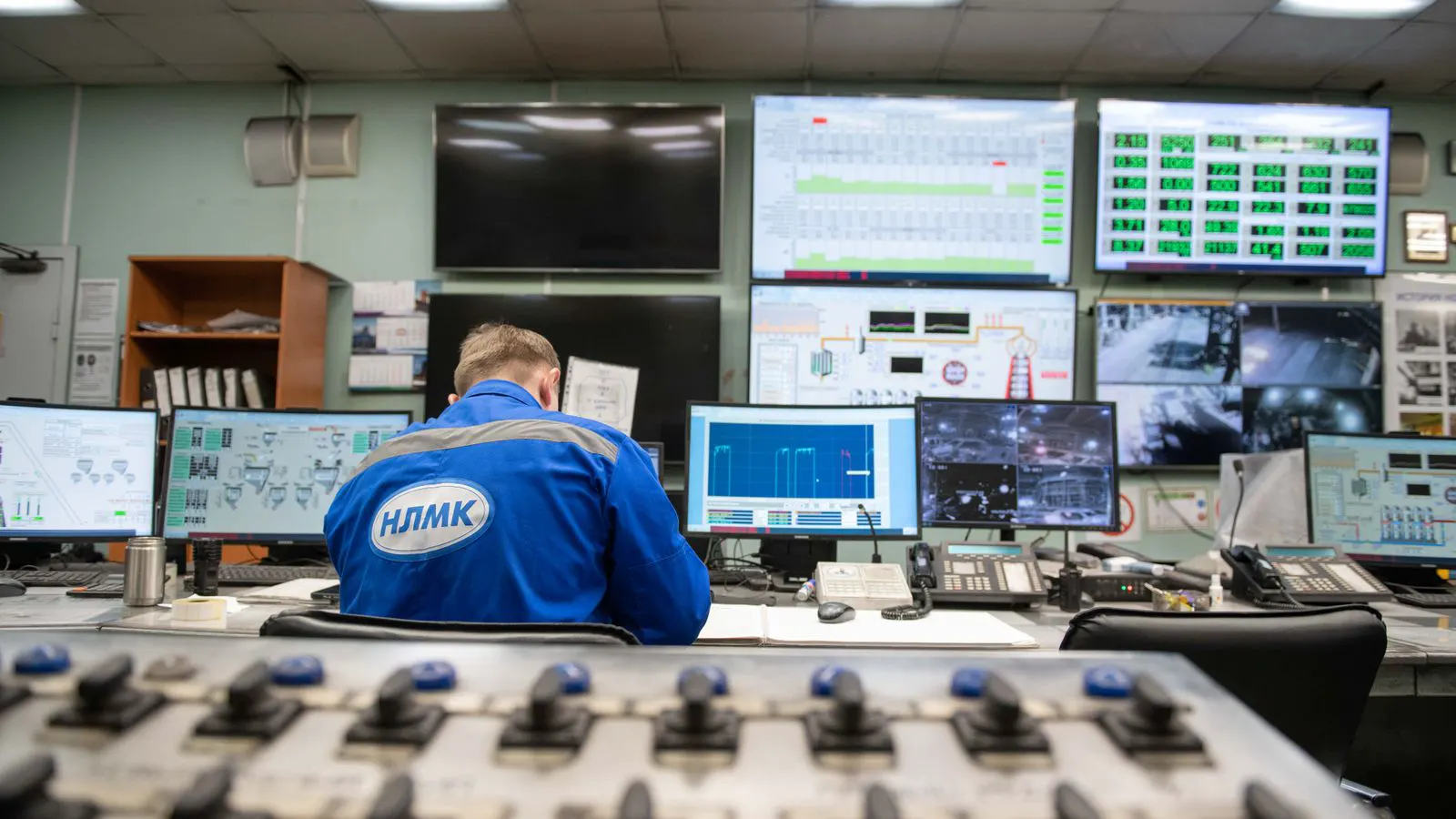
The controller processes the image and makes the sorting decision. The software defines the rules for what counts as a defect. It can check for color, shape, size, and surface texture. The controller must be fast enough to process the image and send a signal to the sorter. In many cases, the controller is a dedicated image processing unit that runs in parallel with the main line controller.
Planning the 5-6 Shifts for a High-Speed Sorting Line
When planning a vision system for a high-speed sorting line, buyers should expect several distinct shifts in their approach. These shifts happen during the design, integration, and operation phases.
Shift 1: From Static to Dynamic Capture
The first shift is moving from static imaging to dynamic capture. In a static setup, the product is held still while the camera takes a picture. In a high-speed sorting line, the product is moving. The camera must capture the image while the product is in motion. This requires a shorter exposure time and a higher frame rate. The lighting must be synchronized with the camera trigger to ensure the product is illuminated during the capture.
Shift 2: From Manual to Automated Decision
The second shift is moving from manual inspection to automated decision-making. In a manual setup, a human operator looks at the product and decides if it is good or bad. In an automated setup, the vision system makes the decision. This requires defining clear rules for what constitutes a defect. The software must be trained on examples of good and bad products. It must also handle edge cases where the product is partially obscured or out of position.
Shift 3: From Single-Point to Multi-Point Inspection
The third shift is moving from single-point to multi-point inspection. A single camera may not be enough to inspect the entire product. High-speed sorting lines often require multiple cameras to capture different angles or features. This increases the complexity of the system. The images from each camera must be synchronized and combined to form a complete picture of the product.
Shift 4: From Offline to Real-Time Processing
The fourth shift is moving from offline to real-time processing. In an offline setup, images are captured and analyzed later. In a real-time setup, the image is processed and the decision is made before the product moves to the next station. This requires fast hardware and efficient software. The processing time must be less than the time it takes for the product to move from one station to the next.
Shift 5: From Standalone to Integrated Systems
The fifth shift is moving from standalone to integrated systems. A standalone vision system may operate independently of the main line. An integrated system is connected to the line controller and other sensors. This allows the vision system to receive information about the line speed and product position. It also allows the vision system to send sorting decisions to the actuators. Integration requires careful planning of communication protocols and data flow.
Shift 6: From Fixed to Adaptive Setup
The sixth shift is moving from fixed to adaptive setup. A fixed setup works well for a specific product at a specific speed. An adaptive setup can handle variations in product size, shape, and speed. This requires flexible hardware and software. The lighting and camera settings may need to be adjusted for different products. The software must be able to learn from new data and adapt to changes in the product or line.
Preparing the Line Before Installing Vision Systems
Preparing the line before installing vision systems is a critical step. The line must be ready to handle the new equipment. This involves mechanical, electrical, and operational preparations.
Mechanical Preparation
The line must be stable and free of vibration. Vibration can cause motion blur in the image. The area where the camera is installed must be secure and easy to access. The camera must be positioned so that it has a clear view of the product. Obstructions such as dust, oil, or packaging can interfere with the image. The line must be cleaned and maintained regularly to ensure clear imaging.
Electrical Preparation
The line must have adequate power for the vision system. The power supply must be stable and free of noise. The data connection must be fast enough to transfer images from the camera to the controller. The communication protocol must be compatible with the line controller. The wiring must be routed to avoid interference with other equipment.
Operational Preparation
The line must be tested with real product samples. The vision system must be tuned to the specific product. The rules for defect detection must be defined and approved by the quality team. The operators must be trained to use the system. They must know how to respond to alarms and how to adjust the system for different products.
Common Mistakes in High-Speed Sorting Lines
Buyers often make mistakes when deploying vision systems for high-speed sorting lines. These mistakes can lead to poor performance and high costs.
Underestimating the Need for Lighting
Lighting is often underestimated. Poor lighting causes shadows and glare. It can also cause motion blur. The lighting setup must be carefully designed and tested. It must be synchronized with the camera trigger. It must be stable and consistent.
Choosing the Wrong Camera
The camera must be matched to the line speed and product size. A camera with a low frame rate may not be able to capture the product clearly. A camera with a small sensor may not have enough resolution. The camera must be selected based on the specific requirements of the line.
Ignoring the Integration
The vision system must be integrated with the line controller. If the system is not integrated, it may not be able to make sorting decisions in time. The communication protocol must be fast and reliable. The data flow must be optimized.
Lack of Testing
The system must be tested with real product samples. Testing with dummy products may not reveal all the issues. The system must be tested under different conditions, including different speeds and lighting levels. The results must be reviewed and the system tuned accordingly.
How to Ensure Long-Term Success
Ensuring long-term success requires planning for maintenance and updates. The vision system must be maintained regularly to ensure clear imaging. The software must be updated to handle new defect types and product changes. The operators must be trained to use the system effectively.
Maintenance
The lenses and sensors must be cleaned regularly. Dust and oil can reduce image quality. The lighting must be checked for consistency. The wiring must be inspected for damage. The system must be backed up regularly to prevent data loss.
Updates
The software must be updated to handle new defect types. The rules for defect detection must be adjusted as the product changes. The system must be able to learn from new data. The updates must be tested before being deployed to the live line.
Training
The operators must be trained to use the system. They must know how to respond to alarms and how to adjust the system for different products. They must be able to interpret the data and make informed decisions.
Vision Systems for High-Speed Sorting Lines: A Practical Checklist
Before deploying vision systems for high-speed sorting lines, buyers should use the following checklist.
- Define the product and the defects to be inspected.
- Measure the line speed and the product size.
- Select the camera, lens, and lighting based on the requirements.
- Design the mechanical and electrical preparations.
- Integrate the vision system with the line controller.
- Test the system with real product samples.
- Train the operators and define the maintenance plan.
Final Thoughts
Vision systems for high-speed sorting lines require careful planning and execution. The system must be matched to the line speed and product size. The lighting must be stable and synchronized. The integration must be fast and reliable. The operators must be trained and the system must be maintained. By following these steps, buyers can ensure that their vision systems perform well in a high-speed environment.
Frequently asked questions
What is the minimum frame rate needed for high-speed sorting?
The minimum frame rate depends on the line speed and product size. A frame rate of 30 frames per second may be enough for a slow line. A high-speed sorter may need hundreds or even thousands of frames per second.
How does lighting affect the vision system?
Lighting is critical for high-speed sorting. Poor lighting causes shadows and glare. It can also cause motion blur. The lighting setup must be synchronized with the camera trigger.
Can I use a standard industrial camera for high-speed sorting?
A standard industrial camera may not be fast enough for high-speed sorting. The camera must have a high frame rate and a small sensor to capture the product clearly.
How do I integrate the vision system with the line controller?
The vision system must be integrated with the line controller using a fast and reliable communication protocol. The data flow must be optimized to ensure that the sorting decision is made in time.
What are the common maintenance tasks for a vision system?
Common maintenance tasks include cleaning the lenses and sensors, checking the lighting, inspecting the wiring, and backing up the data. The software must also be updated regularly.