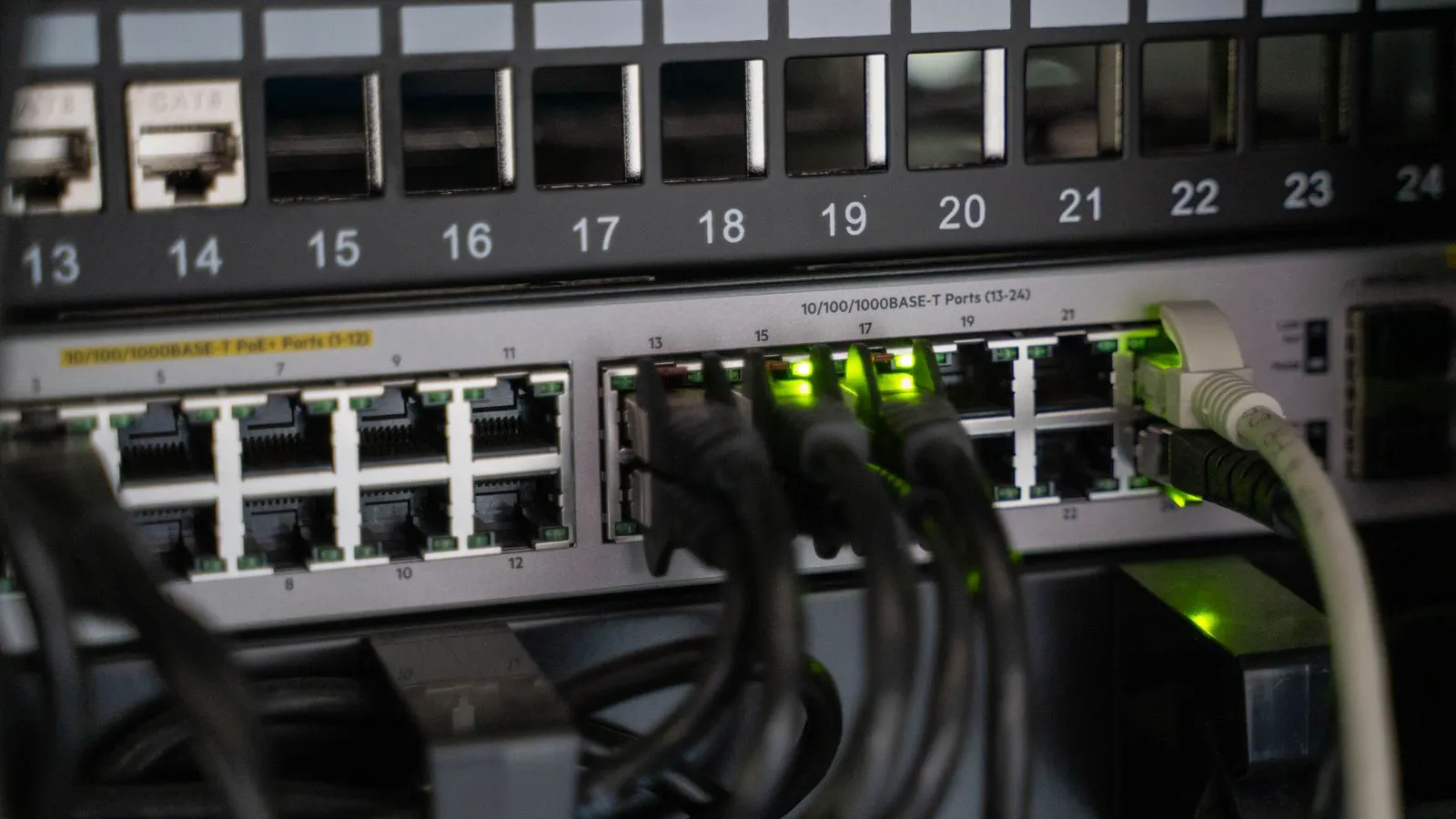
Industrial Ethernet vs Modbus: Which Protocol Fits Your Line
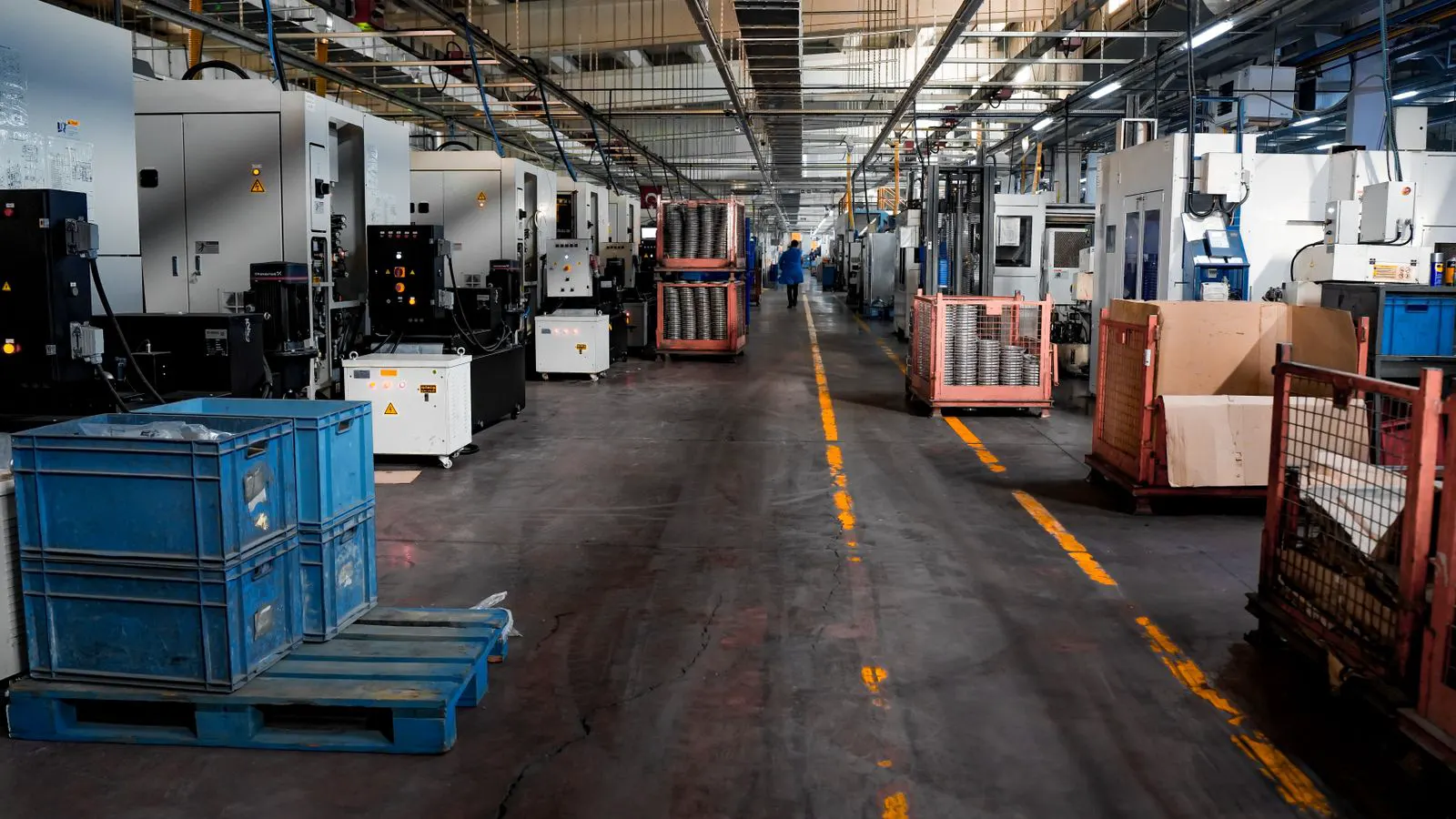
Industrial Ethernet suits high-speed data, video, and multiple protocols in one network. Modbus fits simple sensors, PLCs, and low-cost devices. The right choice depends on bandwidth, distance, and existing plant infrastructure.
- Industrial Ethernet handles high bandwidth and video streams, while Modbus is simpler for low-speed sensor data.
- Modbus is well suited to legacy PLCs and small devices that only need basic control signals.
- Industrial Ethernet supports more devices per segment and is easier to scale for new lines.
- Check distance, power, and existing fieldbus systems before replacing an established network.
- Use a segmented industrial networking plan to keep safety, control, and IT traffic separated.
What Each Protocol Actually Does
Industrial Ethernet and Modbus solve different problems on the same floor. Industrial Ethernet is a communication method that moves data across a network at speeds far above what Modbus can handle. It supports many protocols in one network, including TCP/IP, OPC, and other data services. Modbus is a simpler protocol that sends short messages between a master and a small group of devices. It works over serial wires or Ethernet, but its data is usually small and slow.
The difference is not just speed. Industrial Ethernet can carry video from a machine vision camera, a PLC scan, and a historian database over the same cable. Modbus is designed for one job: reading analog values, turning a relay on, or sending a set point to a valve. If a device only needs to report a temperature and accept a command, Modbus is often the right tool. If the line needs high-speed data, multiple devices on one segment, or integration with a central database, industrial Ethernet is the better fit.
How the Two Compare on the Floor
| Option | Best for | Limitations |
|---|---|---|
| Industrial Ethernet | High-speed data, video, multiple protocols, large networks | Higher cost, needs careful network design, more complex to troubleshoot |
| Modbus RTU | Simple sensors, legacy PLCs, short distances, low-cost devices | Low bandwidth, limited number of devices, slower response time |
| Modbus TCP | Modbus devices connected over an industrial Ethernet network | Still limited by Modbus message size, needs gateway or Ethernet support |
| Fieldbus | Legacy lines, deterministic control, long distances | Varies by type, often proprietary, harder to scale to IT |
| Industrial networking with segmentation | Mixed IT and control traffic, safety systems, large plants | Requires planning, separate switches, and clear documentation |
Modbus RTU runs over serial cables. It is common on older PLCs, small drives, and inexpensive sensors. It is reliable when the wiring is short and the environment is not harsh. The main limit is the number of devices and the size of the data. A Modbus RTU segment can handle a limited number of points before the master has to wait for each device to respond. This makes it slow for lines with many sensors.
Modbus TCP runs the same protocol over Ethernet. This is where the two technologies overlap. A Modbus TCP device can sit on an industrial Ethernet network and send small messages to a PLC. It is useful when an old Modbus device needs to connect to a new switch. It does not change the basic limits of Modbus data, but it removes the serial cable constraint.
Industrial Ethernet is built for more. It can carry many data types at once. A single switch can handle a robot controller, a vision system, a barcode reader, and a PLC. The network is easier to extend because adding a new device is usually a matter of plugging in a cable. The cost is higher, but the complexity is manageable if the network is planned.
When to Pick Industrial Ethernet
Pick industrial Ethernet when the line needs more than simple on/off or analog signals. If you are adding a machine vision camera, a high-speed barcode scanner, or a robot, the data rate will exceed what Modbus can handle. Industrial Ethernet can move gigabits per second. Modbus moves bytes. That difference matters when you need to send a video frame to a database or stream a process value to a historian.
Another reason is device density. A single industrial Ethernet segment can support many more devices than a Modbus segment. If you have a line with dozens of sensors, actuators, and controllers, Ethernet avoids the long polling times that slow down a Modbus master. You also get easier integration with the plant’s IT systems. A PLC on an industrial Ethernet network can talk directly to a historian, a MES, or a cloud gateway without a serial converter.
The cost is higher. Industrial switches, cables, and network modules cost more than a Modbus RTU module. But for a new line or a major retrofit, the long-term value is often better. You can scale the network as the line grows. You can add a new camera or a new robot without rewiring the control system. You can also use the same network for maintenance and diagnostics. A technician can pull up the switch logs and see which device dropped offline. That is much harder to do on a serial Modbus line.
When to Pick Modbus
Modbus is still the right choice for many cases. If you are connecting a small temperature sensor to a PLC, Modbus RTU is simple and cheap. The wiring is short, the data is small, and the cost is low. If you are adding a legacy drive or a small HMI to an existing PLC, Modbus may be the only option. Some older devices do not support Ethernet. Replacing them is not always practical.
Modbus is also good for short, isolated loops. If a single actuator needs to be controlled from a PLC and there is no need for high-speed data, a Modbus RTU loop is a clean solution. It is easy to wire, easy to test, and easy to replace. The main risk is that a failure in the loop can be hard to trace. A single bad cable or a noisy ground can cause intermittent faults. A technician needs to know the wiring and the protocol to diagnose the issue.
Modbus is also useful when you need to keep the network simple. If a line has only a few devices and no need for video or high-speed data, adding an industrial Ethernet network may be overkill. The cost and the planning effort may not be justified. A Modbus RTU loop is a low-risk, low-cost option.
How Fieldbus and Industrial Networking Fit In
Fieldbus is a broad term that covers many protocols, including Modbus, PROFIBUS, and others. It is often used for deterministic control, where timing matters. Some fieldbus systems are well suited to long distances and harsh environments. They are common on legacy lines and in process industries. If your plant already has a fieldbus network, do not replace it just because industrial Ethernet is newer. Check whether the existing system can handle the new devices. In many cases, it can.
Industrial networking is the broader design approach. It includes how you segment the network, how you separate safety traffic from control traffic, and how you connect the line to the plant IT. A well-designed industrial network uses industrial Ethernet for the high-speed parts and Modbus or fieldbus for the simple parts. You can run both on the same floor. You can even run a Modbus TCP device on an industrial Ethernet switch. The key is to keep the network organized and documented.
A segmented industrial Ethernet network is a common practice. You create separate segments for safety, control, and IT. Each segment has its own switch and its own rules. This prevents a failure in one area from affecting the whole line. It also makes it easier to troubleshoot. If a segment goes down, you know which devices are affected. If you run all traffic on one flat network, a single bad cable can take down the safety system.
How to Decide for Your Line
Start with the data. What do you need to send? If the data is small and slow, Modbus is enough. If the data is large or fast, industrial Ethernet is needed. Next, look at the devices. Do they support Ethernet? If not, you may need a gateway or a serial converter. That adds cost and a single point of failure.
Then look at the distance. Modbus RTU is limited by the length of the serial cable. Industrial Ethernet can run longer, depending on the switch and the cable. For long runs, industrial Ethernet is usually the better choice. For short runs, Modbus is simpler.
Finally, look at the existing plant. If you have a fieldbus system, check whether it can handle the new devices. If it can, keep it. If it cannot, consider a gateway or a new segment. Do not replace a working system just because it is old. Replace it only when the cost and the risk are higher than the benefit.
Common Mistakes to Avoid
The most common mistake is trying to use one protocol for everything. Engineers often want to put all devices on an industrial Ethernet network because it is the latest standard. That is not always practical. Some devices are better on Modbus. Some devices are better on a fieldbus. The right design uses the right protocol for each part of the line.
Another mistake is not planning the network. Engineers plug in a switch and expect it to work. They do not segment the network, do not label the cables, and do not document the IP addresses. When a device drops offline, the technician has to guess. That wastes time and creates safety risks. A simple plan, with clear segments and labeled cables, saves hours of troubleshooting.
A third mistake is ignoring the cost of failure. A Modbus loop is cheap, but a failure can stop the line. An industrial Ethernet network is more expensive, but a failure is easier to isolate. If the line stops, the cost of downtime is higher than the cost of the network. Choose the protocol that keeps the line running, not just the one that is cheapest.
Frequently asked questions
Can I run Modbus and industrial Ethernet on the same network?
Yes. You can run a Modbus TCP device on an industrial Ethernet switch. You can also run a separate Modbus RTU loop and an industrial Ethernet network on the same floor. The key is to keep the network organized and documented.
Is Modbus still used in new plants?
Yes. Modbus is still common in new plants for simple sensors, small drives, and legacy devices. It is cheap and simple. Many new lines use a mix of industrial Ethernet and Modbus.
How many devices can a Modbus segment handle?
It depends on the master and the devices. A typical Modbus RTU segment can handle a limited number of points before the polling time becomes too slow. Industrial Ethernet can handle many more devices on the same segment.
Is industrial Ethernet more secure than Modbus?
Industrial Ethernet can be more secure because it supports encryption, access controls, and network segmentation. Modbus RTU over serial wires is less secure because the data is not encrypted by default. A Modbus TCP device can be secured with the same tools as any Ethernet device.
Do I need a gateway to connect Modbus to industrial Ethernet?
Sometimes. If a Modbus RTU device needs to connect to an industrial Ethernet network, you need a gateway or a serial-to-Ethernet converter. If the device supports Modbus TCP, it can connect directly to the switch.